
Why a Company Needs a Website
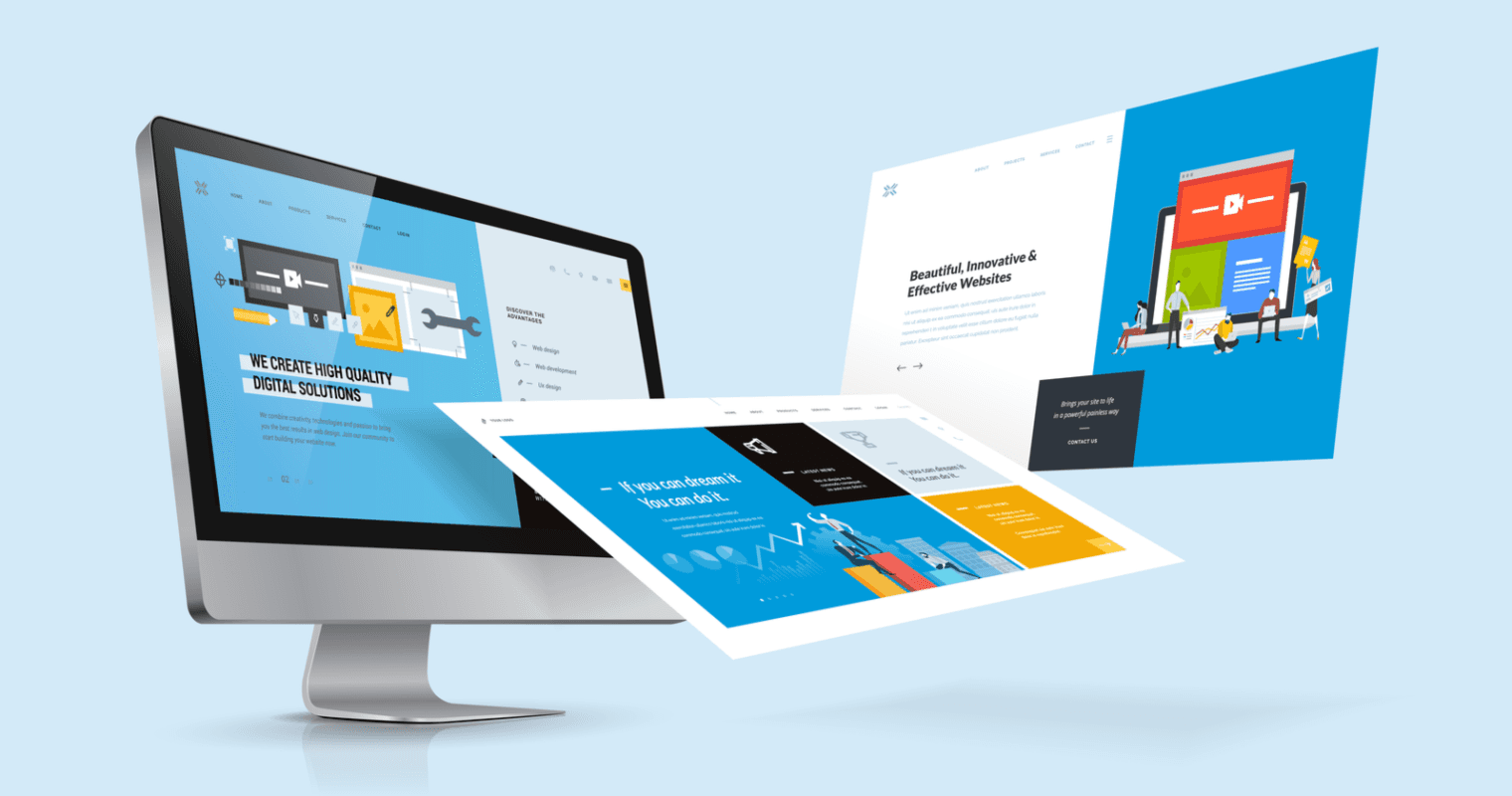
In today’s digital era, having a website is no longer optional for businesses — it is essential. Whether you run a small startup, a local shop, or a large enterprise, a professional website helps your company grow, build trust, and reach more customers. Let’s understand why every company needs a website.
1. Online Presence and 24/7 Availability
A website gives your business an online presence that works for you 24 hours a day, 7 days a week.
Unlike a physical store with fixed working hours, a website allows customers to:
Learn about your services anytime
Check product details
Contact you instantly
Place orders online
For example, if a customer searches for services at midnight, your website is available even when your office is closed.
2. Builds Trust and Credibility
Today, customers expect every legitimate company to have a website. If your business doesn’t appear online, people may question its authenticity.
A professional website:
Builds brand credibility
Displays customer reviews and testimonials
Shows certifications and achievements
Highlights company experience
A well-designed website makes your company look professional and trustworthy.
3. Creates a Strong First Impression
For many customers, your website is the first interaction they have with your business.
A clean, modern, and user-friendly website:
Creates a positive first impression
Reflects your brand identity
Increases customer confidence
A poorly designed or outdated website can turn potential customers away.
4. Acts as a Digital Office
Your website works as a digital office where customers can:
View services and pricing
Send inquiries
Download brochures
Book appointments
It centralizes all important business information in one place.
5. Cost-Effective Marketing Platform
Compared to traditional marketing (newspapers, TV ads, banners), a website is highly cost-effective.
With digital marketing strategies like:
Search Engine Optimization (SEO)
Social Media Marketing
Email Marketing
Google Ads
You can reach a large audience at a lower cost.
6. Supports SEO and Digital Marketing
A website is the foundation of digital marketing. Without a website, your business cannot fully benefit from SEO.
SEO helps your website appear in search engine results when customers search for:
Your products
Your services
Related industry keywords
This increases visibility and attracts potential customers organically.
7. Reaches a Wider and Global Audience
A physical store limits you to local customers. A website removes geographical boundaries.
With an online presence, your business can:
Serve customers nationwide
Reach international markets
Expand beyond your local area
This opens new growth opportunities.
8. Showcases Products and Services
Your website acts as an online catalog where you can:
Display product images
Provide detailed descriptions
Share pricing information
Highlight special offers
Customers can compare options and make informed decisions.
9. Improves Customer Convenience
A website makes it easy for customers to:
Contact you
Find your location
Check FAQs
Access customer support
Convenience increases customer satisfaction and loyalty.
10. Strengthens Brand Identity
Your website represents your brand online.
Through:
Logo and design
Brand colors
Messaging
Content
You create a consistent brand image that customers remember.
11. Provides competitive advantage
In today’s fast-moving and highly competitive business environment, having a professional website provides a significant competitive advantage. Companies that invest in a strong online presence often outperform competitors who rely solely on traditional marketing methods. A website is not just a digital address; it is a strategic business tool that helps attract customers, build credibility, and increase revenue.
One of the biggest advantages of having a website is increased visibility. Most customers begin their buying journey online by searching for products or services through search engines like Google. If your company has a well-optimized website, it can appear in search results when potential customers look for related services. This gives your business the opportunity to connect with customers before your competitors do. Without a website, your company may not even be considered as an option.
A website also allows you to present your brand professionally. In competitive markets, first impressions matter. A modern, fast, and mobile-friendly website builds trust and positions your company as reliable and established. If customers compare two businesses and one has a detailed, attractive website while the other has little or no online presence, they are more likely to choose the company with the stronger digital image. This professional presentation can directly influence purchasing decisions.
Another important advantage is the ability to showcase your unique strengths. Through your website, you can highlight your company’s expertise, certifications, customer testimonials, case studies, and achievements. You can clearly communicate what makes your products or services different from competitors. This helps customers understand your value proposition and encourages them to choose your business over others offering similar services.
A website also supports effective digital marketing strategies. With tools like Search Engine Optimization (SEO), content marketing, email marketing, and paid advertising, you can drive targeted traffic to your website. Unlike traditional marketing methods, digital marketing allows you to measure performance, track customer behavior, and adjust strategies accordingly. This data-driven approach helps you stay ahead of competitors who may not be leveraging online marketing effectively.
Customer engagement is another area where a website provides a competitive edge. Features such as live chat, contact forms, online booking systems, and FAQs improve customer convenience and interaction. When customers can easily access information, ask questions, and make purchases, they are more likely to choose your company. A website enables faster communication and better customer service compared to businesses that rely only on phone calls or physical visits.
Additionally, a website allows your company to expand beyond geographical limitations. While competitors may focus only on local markets, your website can attract customers from different cities, states, or even countries. This wider reach opens new business opportunities and increases revenue potential.
In conclusion, a website provides a strong competitive advantage by improving visibility, enhancing credibility, showcasing unique strengths, supporting digital marketing, and expanding market reach. In today’s digital-first world, businesses that embrace online presence are better positioned to grow and succeed. Companies without a website risk falling behind competitors who leverage the power of the internet to connect with customers and build lasting success.
12. Helps collect customer data and insights
In today’s data-driven business environment, one of the most powerful advantages of having a website is the ability to collect customer data and gain valuable insights. Understanding customer behavior, preferences, and needs allows companies to make smarter decisions, improve products and services, and create more effective marketing strategies. A website acts as a central platform where businesses can gather meaningful information that drives growth and competitive advantage.
One of the primary ways a website collects data is through analytics tools such as Google Analytics. These tools track visitor behavior, including how users find the website, which pages they visit, how long they stay, and where they exit. This information helps businesses understand what content attracts customers and what areas need improvement. For example, if a product page receives high traffic but low conversions, the company can analyze and optimize that page to improve performance.
Websites also collect data through contact forms, inquiry forms, newsletter subscriptions, and account registrations. When customers fill out forms, they often provide important details such as their name, email address, location, and interests. This information allows businesses to build customer databases that can be used for targeted communication and personalized marketing campaigns. Instead of sending generic messages, companies can send tailored offers based on customer preferences.
Another important method of collecting insights is through customer behavior tracking. Businesses can monitor which products customers view most frequently, what items they add to their cart, and what purchases they complete. This helps identify popular products, seasonal trends, and buying patterns. With this information, companies can adjust pricing, promotions, and inventory management strategies to meet demand effectively.
Websites also help gather feedback directly from customers. Features such as reviews, ratings, surveys, and feedback forms provide honest opinions about products and services. This feedback is valuable because it highlights strengths and reveals areas that need improvement. Listening to customer feedback helps businesses enhance customer satisfaction and build long-term loyalty.
Additionally, website data supports better marketing decisions. By analyzing traffic sources, businesses can determine whether visitors come from search engines, social media, email campaigns, or paid advertisements. This allows companies to identify which marketing channels are most effective and allocate budgets more efficiently. Instead of guessing what works, businesses can rely on real data to guide their strategies.
Customer insights also help in personalization. Modern websites can use collected data to display personalized product recommendations, customized offers, or targeted content. Personalization improves user experience and increases the likelihood of conversion, as customers are more likely to engage with content that matches their interests.
In conclusion, a website is not just a promotional tool; it is a powerful data collection platform. By gathering and analyzing customer data and insights, businesses can improve decision-making, enhance marketing strategies, personalize user experiences, and strengthen customer relationships. In a competitive marketplace, companies that understand their customers through data are better positioned to innovate, adapt, and grow successfully.
13. Enhances customer support
In today’s competitive business environment, providing excellent customer support is essential for building trust and long-term relationships. A company website plays a crucial role in enhancing customer support by offering quick access to information, communication tools, and self-service options. It ensures that customers can find solutions to their problems easily and efficiently without always needing direct assistance.
One of the primary ways a website enhances customer support is by providing detailed information in one central place. Sections such as Frequently Asked Questions (FAQs), product guides, tutorials, and troubleshooting articles help customers solve common issues on their own. This not only saves time for customers but also reduces the workload on support teams. When customers can quickly find answers online, their overall satisfaction increases.
A website also enables multiple communication channels that make support more accessible. Contact forms, email support, live chat features, and chatbots allow customers to reach out conveniently. Live chat, in particular, provides real-time assistance, which is highly valued in urgent situations. Automated chatbots can answer basic questions instantly, ensuring that customers receive immediate responses even outside business hours.
Another important benefit is 24/7 availability. Unlike physical offices or call centers that operate during fixed hours, a website is accessible at any time. Customers from different time zones or those needing help late at night can access support resources without waiting. This continuous availability strengthens customer trust and improves the company’s professional image.
Websites also allow businesses to track customer inquiries and maintain records of past interactions. This helps support teams understand customer history and provide more personalized assistance. When a customer contacts support, representatives can quickly review previous issues and offer faster, more accurate solutions. Personalized support enhances customer experience and builds loyalty.
Additionally, websites can integrate support ticket systems that organize and manage customer requests efficiently. Customers receive confirmation of their queries and can track the status of their issues. This transparency improves communication and reduces frustration.
In conclusion, a website significantly enhances customer support by offering easy access to information, multiple communication options, 24/7 availability, and organized support systems. By making assistance more convenient and efficient, businesses can improve customer satisfaction, strengthen relationships, and build a positive brand reputation in the long term.
14. Scales easily with business growth
As a business grows, its operations, customer base, and service offerings expand. A website plays a crucial role in supporting and scaling alongside this growth. Unlike traditional business infrastructure, which may require significant physical expansion and investment, a website can be easily updated, upgraded, and expanded with minimal cost and effort.
One of the biggest advantages of a website is its flexibility. As your company introduces new products or services, you can simply add new pages, update content, or integrate new features. There is no need to open a new physical branch to reach more customers. With just a few updates, your website can reflect your expanding business portfolio and communicate these changes instantly to your audience.
A website also supports increasing traffic as your business grows. With scalable hosting solutions and cloud-based infrastructure, you can handle higher numbers of visitors without affecting performance. This ensures that your website remains fast and reliable even during peak periods, such as sales campaigns or product launches.
Additionally, automation tools integrated into websites—such as online booking systems, e-commerce platforms, chatbots, and customer relationship management (CRM) systems—help manage larger volumes of customers efficiently. As demand increases, these systems reduce manual workload and maintain smooth operations.
Furthermore, digital marketing strategies can scale with your growth. You can expand your reach to new markets, target broader audiences, and run larger campaigns without major structural changes.
In conclusion, a website provides the flexibility, scalability, and technological support necessary for business expansion. It grows alongside your company, making it a powerful foundation for long-term success.
15. Enables professional communication
In today’s digital business environment, professional communication is essential for building trust, maintaining credibility, and creating strong relationships with customers, partners, and stakeholders. A company website plays a vital role in enabling clear, consistent, and professional communication. It serves as an official platform where businesses can present accurate information, share updates, and interact with their audience in a structured and reliable manner.
One of the key ways a website enables professional communication is by providing a centralized source of information. Customers no longer need to rely on third-party platforms or incomplete details from social media. A website clearly displays company information such as services, contact details, business hours, policies, and company background. This transparency helps eliminate confusion and ensures that customers receive consistent and trustworthy information directly from the source.
A website also strengthens brand identity, which is a major component of professional communication. Through consistent use of logos, brand colors, tone of voice, and messaging, businesses create a unified and professional image. This consistency builds recognition and trust. When customers see a well-designed website with organized content and clear messaging, they perceive the company as serious, reliable, and established.
Another important feature is the ability to communicate updates and announcements efficiently. Businesses can use their website to publish news, product launches, service changes, blog articles, and press releases. Instead of individually informing customers, companies can update their website and ensure that everyone has access to the latest information. This is especially important during important events such as promotional campaigns, policy updates, or new service introductions.
Websites also enable direct and structured communication through contact forms, inquiry forms, and professional email addresses linked to the company domain (for example, info@companyname.com
). Using a custom domain email appears far more professional than using free email services. Contact forms allow customers to send inquiries in an organized format, helping businesses respond efficiently and professionally.
Live chat features and chatbots further enhance communication by offering instant responses to customer queries. Even when customer support teams are unavailable, automated systems can provide immediate answers to common questions. This responsiveness reflects professionalism and shows that the company values customer time.
Additionally, websites help businesses communicate credibility through testimonials, case studies, certifications, and partnerships. Sharing customer reviews and success stories demonstrates transparency and builds confidence. When potential clients see proof of past work and positive feedback, they are more likely to trust the company.
Internal and external stakeholders also benefit from professional website communication. Investors, partners, and job applicants often visit a company’s website to learn more about its mission, values, and achievements. A well-structured website communicates stability, vision, and long-term commitment.
In conclusion, a website is a powerful tool for enabling professional communication. It provides accurate information, ensures consistent branding, facilitates direct interaction, and enhances credibility. In a competitive market, businesses that communicate professionally through their website are more likely to gain trust, strengthen relationships, and achieve sustainable growth.
Conclusion:
In today’s digital world, a website is essential for any company that wants to grow and succeed. It builds credibility, strengthens brand identity, and provides 24/7 visibility to potential customers. A website supports marketing efforts, improves customer communication, collects valuable insights, and enhances customer support. It also gives businesses a competitive advantage and the ability to scale as they expand. Without a website, companies risk losing opportunities in an increasingly online marketplace. Simply put, a professional website is not just an option—it is a powerful foundation for long-term business success and sustainable growth.